Residential Insulation Service in Boulder, CO
Residential insulation services involve installing or upgrading insulating materials within a home to improve energy efficiency and indoor comfort. These projects typically include insulating attics, walls, basements, crawl spaces, and other areas where heat transfer can impact temperature regulation. Property owners often seek insulation services to reduce heating and cooling costs, enhance indoor temperature stability, and prevent drafts or moisture issues. Before requesting insulation work, it’s helpful to understand the different types of insulation available, such as fiberglass, foam, or cellulose, and to consider the specific needs of the home’s structure and climate.
Homeowners should also consider the current state of their existing insulation, if any, and identify areas where insulation may be lacking or damaged. Proper assessment can help determine the most effective insulation solutions for the property. Additionally, understanding local building codes and any potential restrictions can ensure the project meets necessary standards. Clear communication about goals, budget, and preferences can assist in selecting the right insulation approach to improve comfort and energy savings for years to come.
Many property owners in Boulder, CO look into Residential Insulation service for repairs, replacements, upgrades, and appearance-related improvements.
Attic Insulation Solutions
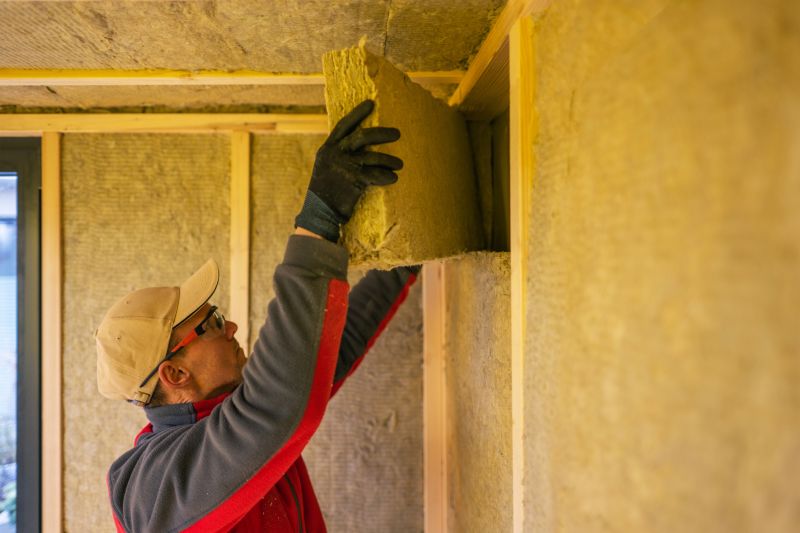
Proper attic insulation helps maintain consistent indoor temperatures in boulder homes.
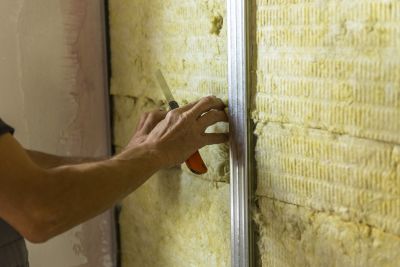
Wall And Floor Insulation
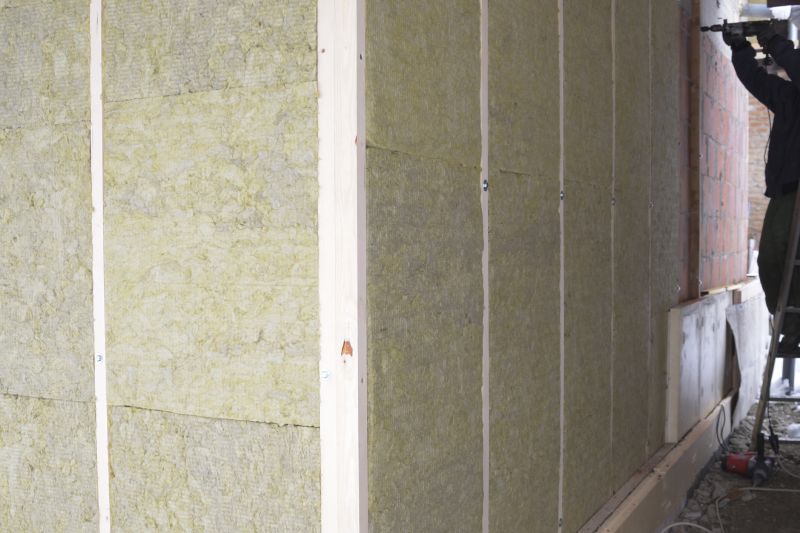
Adding insulation to walls and floors can improve energy efficiency and reduce heating costs.
Basement And Crawl Space Insulation
Insulating basements and crawl spaces prevents drafts and enhances overall comfort in boulder residences.
Residential Insulation Service in Boulder, CO
Residential insulation services involve installing or upgrading insulating materials within a home to improve energy efficiency and indoor comfort. These projects typically include insulating attics, walls, basements, crawl spaces, and other areas where heat transfer can impact temperature regulation. Property owners often seek insulation services to reduce heating and cooling costs, enhance indoor temperature stability, and prevent drafts or moisture issues. Before requesting insulation work, it’s helpful to understand the different types of insulation available, such as fiberglass, foam, or cellulose, and to consider the specific needs of the home’s structure and climate.
Homeowners should also consider the current state of their existing insulation, if any, and identify areas where insulation may be lacking or damaged. Proper assessment can help determine the most effective insulation solutions for the property. Additionally, understanding local building codes and any potential restrictions can ensure the project meets necessary standards. Clear communication about goals, budget, and preferences can assist in selecting the right insulation approach to improve comfort and energy savings for years to come.
Many property owners in Boulder, CO look into Residential Insulation service for repairs, replacements, upgrades, and appearance-related improvements.
Common Residential Insulation Service Jobs
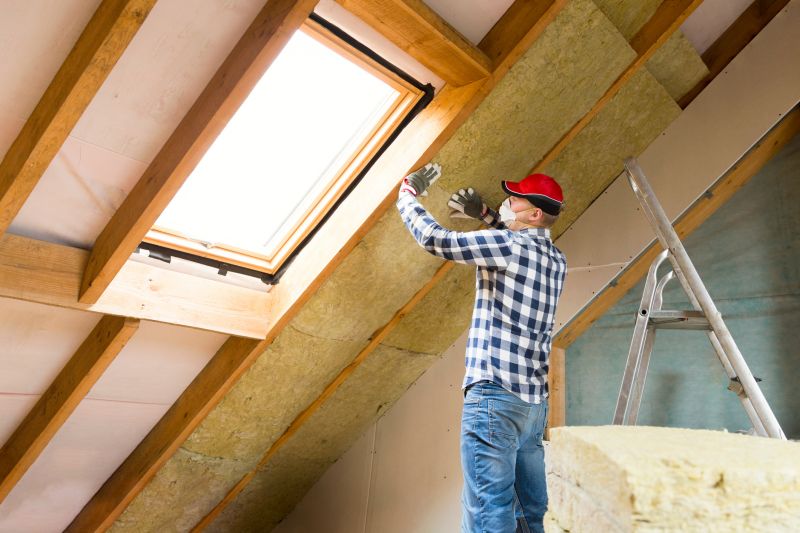
Attic Insulation - improves energy efficiency by sealing gaps and adding insulation in the attic space.
Wall Insulation - reduces heat transfer through exterior and interior walls for better temperature control.
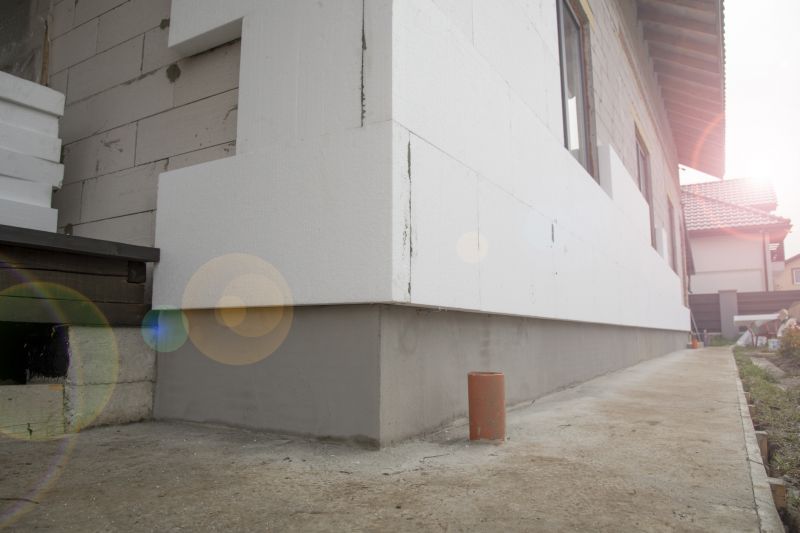
Crawl Space Insulation - prevents drafts and moisture buildup in crawl spaces to protect the home’s foundation.
Basement Insulation - enhances comfort and energy savings by insulating basement walls and ceilings.
Duct Insulation - minimizes energy loss from HVAC ductwork to improve system performance.
Insulation Removal - safely removes old or damaged insulation to prepare for new, more effective materials.
Residential Insulation Service Questions
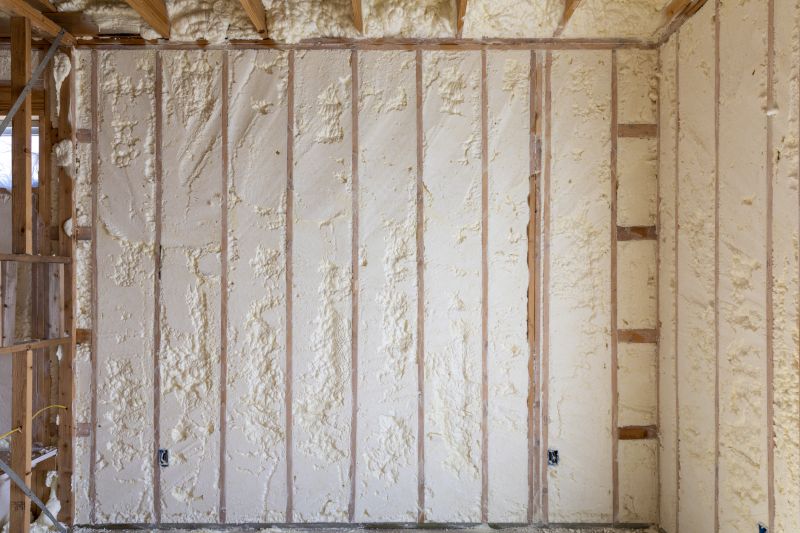
What types of insulation are commonly used in residential projects? Common options include fiberglass, foam, and cellulose, each suited for different areas and needs within a home.
How does insulation improve energy efficiency? Proper insulation helps reduce heat transfer, keeping indoor temperatures stable and lowering energy consumption.
Which areas of a home benefit most from added insulation? Attics, walls, and basements are key areas where insulation can significantly impact comfort and energy savings.
What should homeowners consider before adding insulation? It’s important to evaluate existing insulation, identify problem areas, and choose the right type for specific spaces.
Request Residential Insulation Service in Boulder, CO
Use the quote form on this page to share the basics of your project and request more information for the type of work you need.